
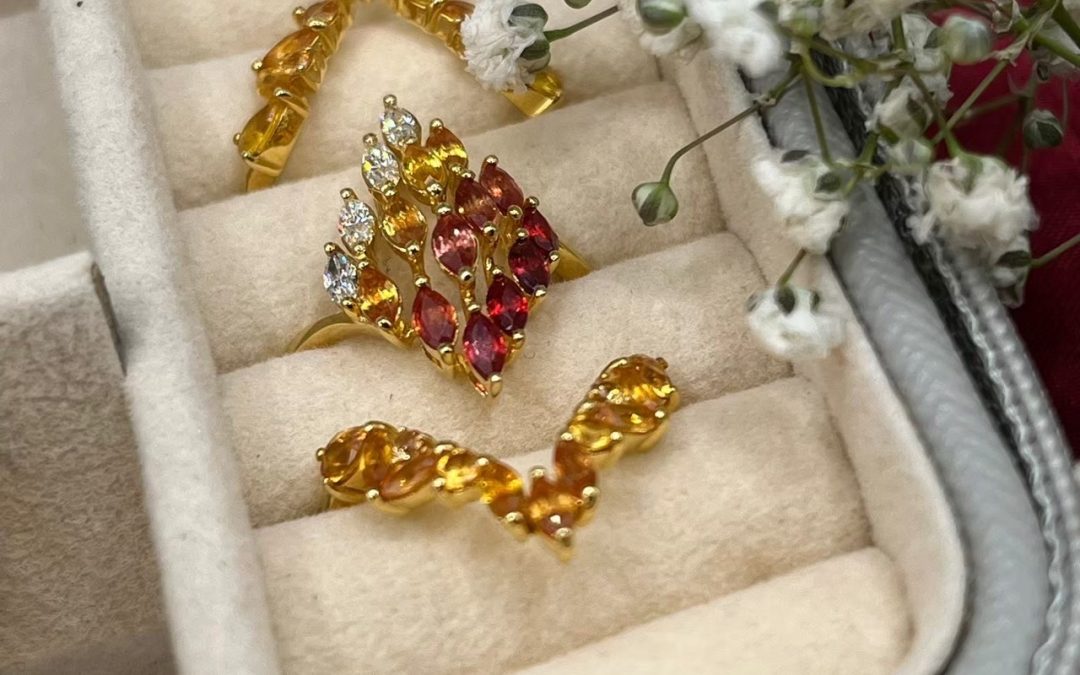
The modern jewelry market is undergoing a quiet revolution. As mass-produced, machine-stamped accessories saturate high-street stores, a growing community of enthusiasts is turning toward something more soulful. At the center of this shift is Asian handmade jewelry, a category that blends ancient techniques with contemporary aesthetics to create pieces that tell a story.
Thailand, in particular, has emerged as a global hub for this movement. The kingdom’s reputation for handcrafted jewelry Thailand is not merely a marketing slogan; it is a reflection of a deep-seated cultural heritage where metalworking and stone-setting are considered high art forms passed down through generations.
The Soul of the Maker: Beyond the Machine
What distinguishes a handcrafted piece from its factory-made counterpart? The difference lies in the “intentional imperfection.” When a Thai artisan shapes a silver cuff or meticulously weaves a silk thread necklace, they infuse the piece with a level of detail that a laser cutter cannot replicate.
Each item of Asian handmade jewelry serves as a wearable piece of history. Whether it is the intricate filigree work of the north or the bold, earthy gemstone arrangements found in southern workshops, these pieces offer a tactile connection to the artisan. This human element ensures that no two items are ever truly identical, providing a level of exclusivity that luxury consumers increasingly crave.
Why Thailand Remains the Gold Standard for Handcrafting
Thailand’s dominance in the world of artisanal accessories is built on three pillars: skill, material, and meaning. The country has long been a crossroads for the gemstone trade, providing local creators with access to world-class rubies, sapphires, and semi-precious stones.
However, it is the technical prowess of the local craftsmen that truly sets handcrafted jewelry Thailand apart. Artisans here often utilize traditional methods, such as lost-wax casting and hand-hammering, which require years of apprenticeship to master. The result is jewelry that feels substantial and organic—pieces that balance the weight of tradition with the lightness of modern design.
Sustainable Style: The Conscious Choice
In an era of “fast fashion,” choosing handmade goods is an act of conscious consumption. By supporting independent artisans and small-scale workshops, collectors contribute to the preservation of traditional crafts that might otherwise be lost to industrialization.
Furthermore, many Thai jewelry makers prioritize ethical sourcing and small-batch production. This reduces the environmental footprint associated with large-scale mining and manufacturing. When you invest in a piece of Asian handmade jewelry, you are not just buying an accessory; you are supporting a sustainable ecosystem that values quality over quantity and craftsmanship over speed.
Key Takeaways for Collectors
-
Authenticity: Look for evidence of hand-tooling, which confirms the piece was made by a person, not a program.
-
Cultural Fusion: Notice how Thai designers often mix traditional motifs with minimalist silhouettes to fit a global wardrobe.
-
Durability: Hand-forged metals often possess superior structural integrity compared to thin, casted alternatives.